

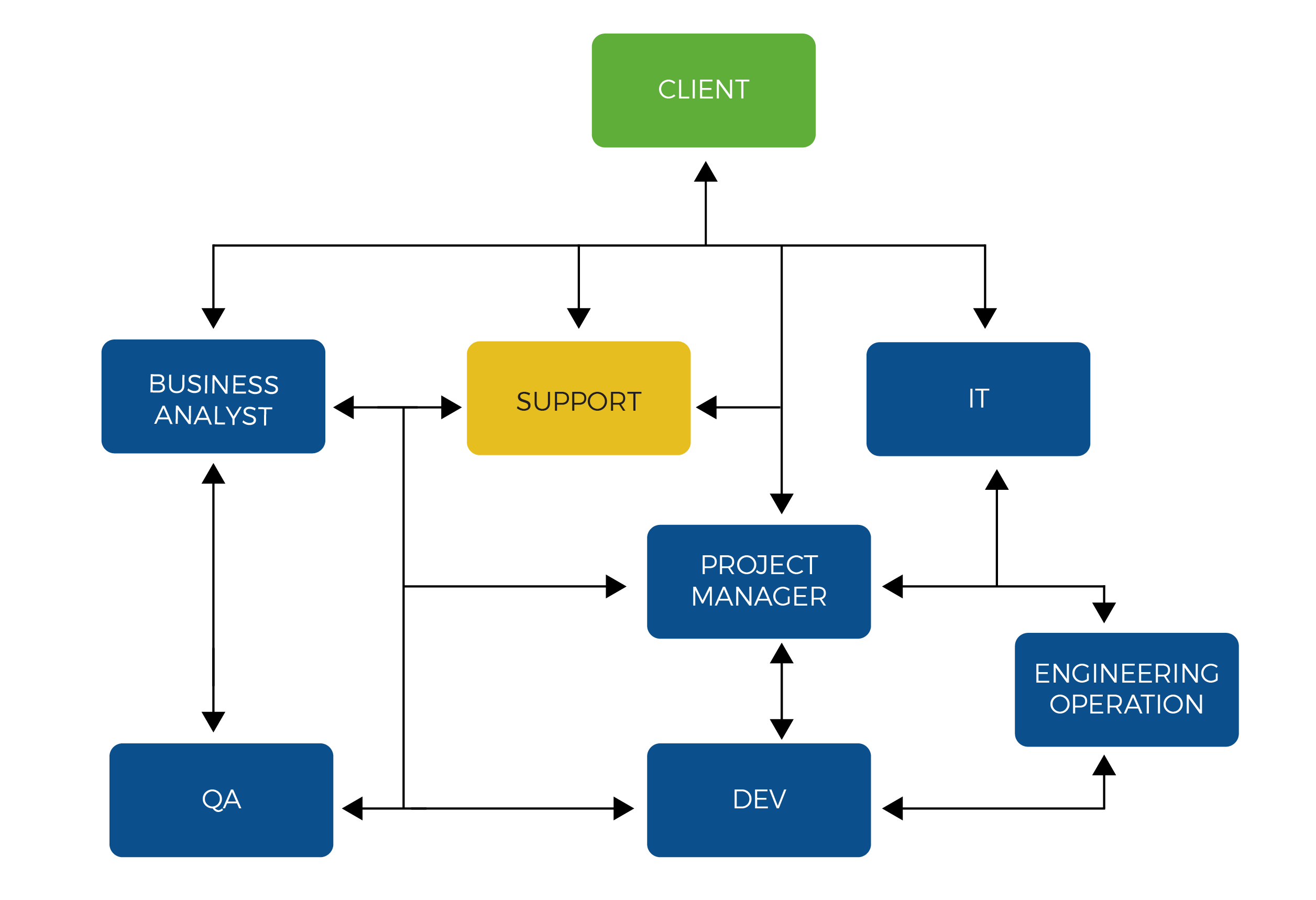
Choosing a CTRM system also means choosing the team behind it. At Amphora, clients work with the same specialists across the life of their system: a business analyst during scoping, a project manager through delivery, a support team once live, and a development team behind the scenes. Many have been with the company for well over a decade, which in a market known for vendor churn is itself a reason buyers choose them.
Why does the team behind a CTRM matter as much as the software?
Because choosing a CTRM means choosing a team, not just a product. The people who scope your requirements will, in many cases, still be there when you request an enhancement three years later.
When you evaluate a CTRM system, most of your attention goes on functionality: deal capture, position keeping, risk and reporting. Far fewer buyers stop to ask a more revealing question, which is who they will actually be working with, and for how long. Founded in 1997 and now approaching thirty years in the market, Amphora runs development and service centres across Dubai, the UK, India and the USA, organised into seven specialist teams. Most clients only ever meet a handful of them. This article introduces four of the roles you are most likely to encounter across the life of your system, and the people who fill them.
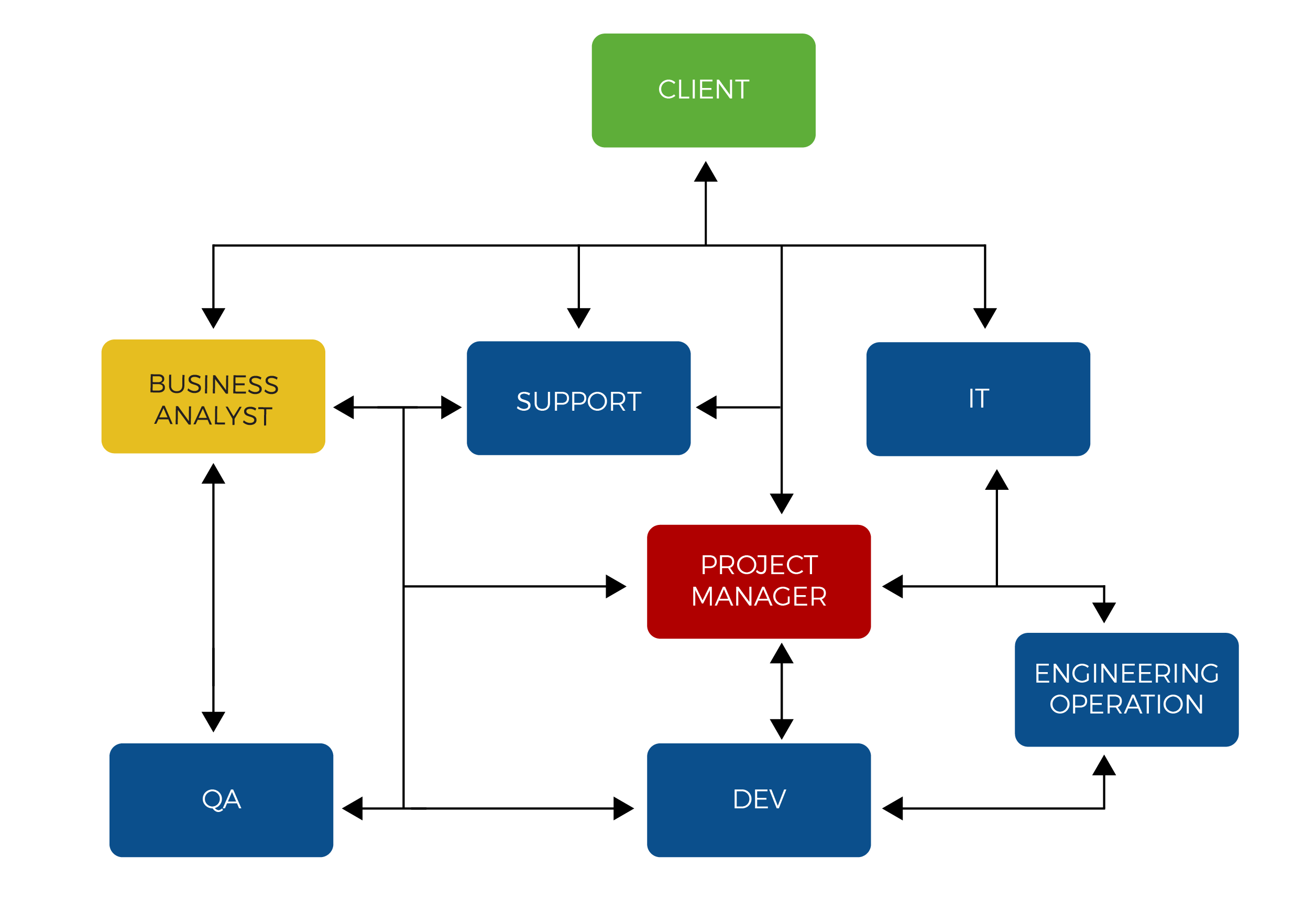
Who will I work with most during a CTRM implementation?
The business analyst. From the moment an implementation begins, the analyst is your main point of contact, and often stays that way for years.
"I see my role as a problem solver, liaising between the client and our company," says Luis Villegas, a senior business analyst who joined Amphora after starting out as a developer. "We must put ourselves in the shoes of the end users. We need to think not only of the best way to solve a problem but also on how to provide the ultimate user experience."
Bhuvnesh Saraswat, client solutions director and senior business analyst, frames the job around trust: "The clients I have worked with have trust in me. They use our CTRM system effectively, gaining the most value." His advice to anyone entering the field doubles as a description of the mindset clients benefit from: "Be meticulous and ask yourself 'why?' Be a good listener and communicate well."
The analyst's real influence is on quality. Everything they learn sitting with your traders, operations, risk and finance users feeds back into how the product is designed, built and tested.
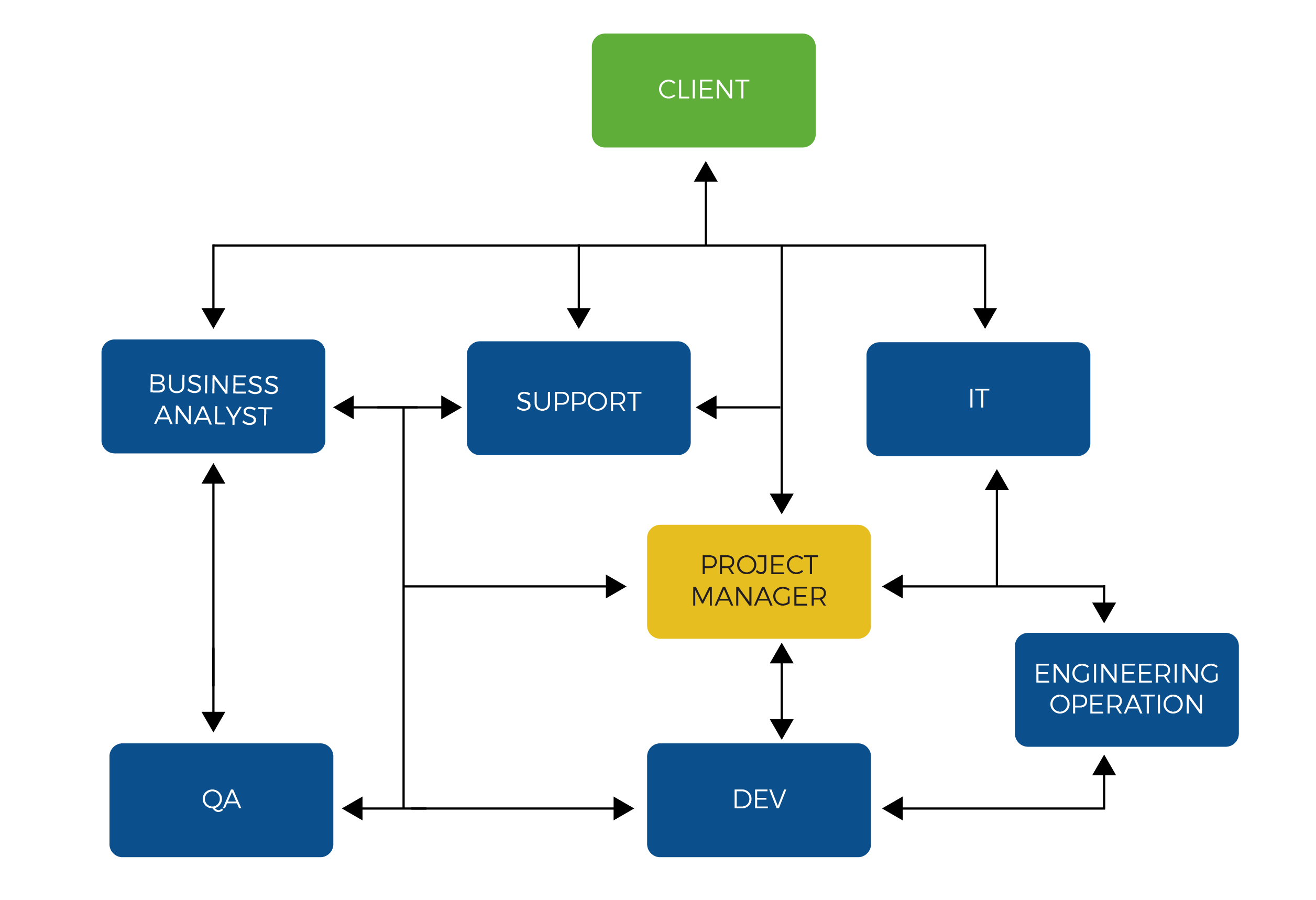
What does a CTRM project manager actually do?
The project manager owns delivery. Once requirements are understood, they plan the work, sequence it across teams, and keep the client sighted on progress and risk.
"The primary focus of a project manager lies in delivering value," is how Amphora's project managers describe the job. Real-time tracking keeps the client fully informed, with every team's input considered before the schedule is set so the plan stays realistic.
The risks a good project manager watches most closely are the ones that derail software projects everywhere: communication gaps, scope creep and resourcing. Naming them early is how they stay controlled.
Who supports a CTRM system once it goes live?
The support team. When a system goes live the relationship moves to support, and they remain the client's main contact for the rest of their time on the software.

"For me, support is the bridge between clients and the vendor," says Sekhar Bellamkonda, a technical lead in product support. "I am continually thinking about how the client's day-to-day activities can run smoothly."


Longevity is a feature of this team rather than an accident. Purushotham Reddy, head of global support, joined Amphora in 2008; Nageswara Rao Gogisetti, a fellow technical lead, in 2010. "Support is the front face of any CTRM company," says Sekhar. "The reputation of Amphora depends on the support we provide." Nageswara puts the daily challenge plainly: "CTRM business varies from client to client. Understanding each client's need and adapting that into Symphony is crucial."
What does a CTRM development team do?
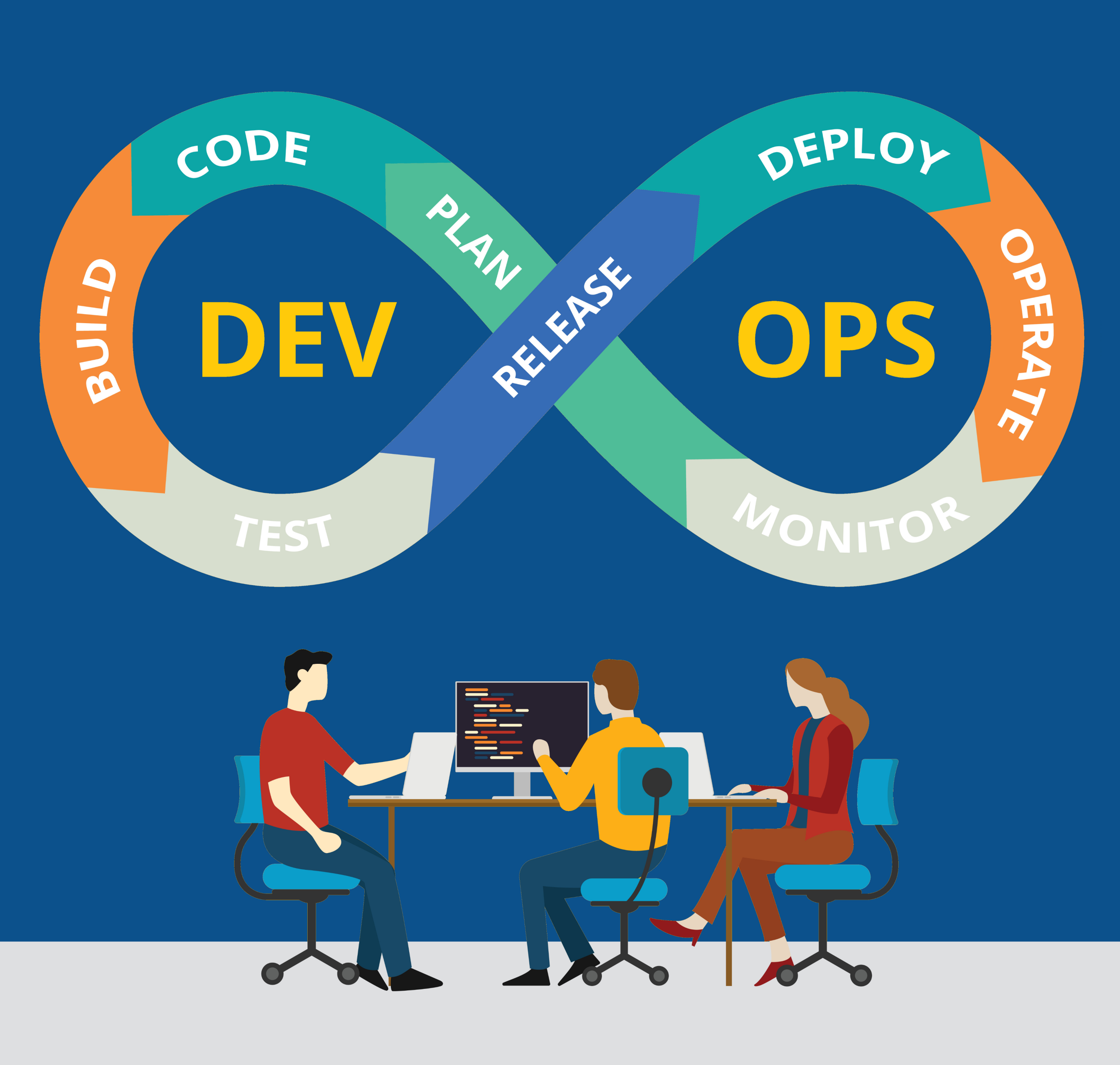
Development builds and maintains the software itself. It is the team clients interact with least and rely on most.

"No two days are ever the same," says James Bodkin, head of API. "There are always new challenges and issues to solve." His team builds the APIs that let clients connect Symphony to their own systems, with a firm focus on performance. One recent effort cut an API's response time from thirty seconds to five, "although I'm still looking to reduce that further."
Behind the API team, the wider development team spends much of its time modernising the core, including the pricing, risk and formula engines. Every feature passes through automated testing, code review and quality gates before it reaches a client.

Why does vendor stability matter when choosing a CTRM?
Because the same team stays with you for years. Look across the four roles and a pattern emerges: several of the people you will depend on have been with Amphora for well over a decade.
In a market where vendors regularly change hands, change strategy or disappear altogether, that continuity is increasingly what buyers are choosing. The software matters, but so does knowing the same team will still be there to answer the phone.